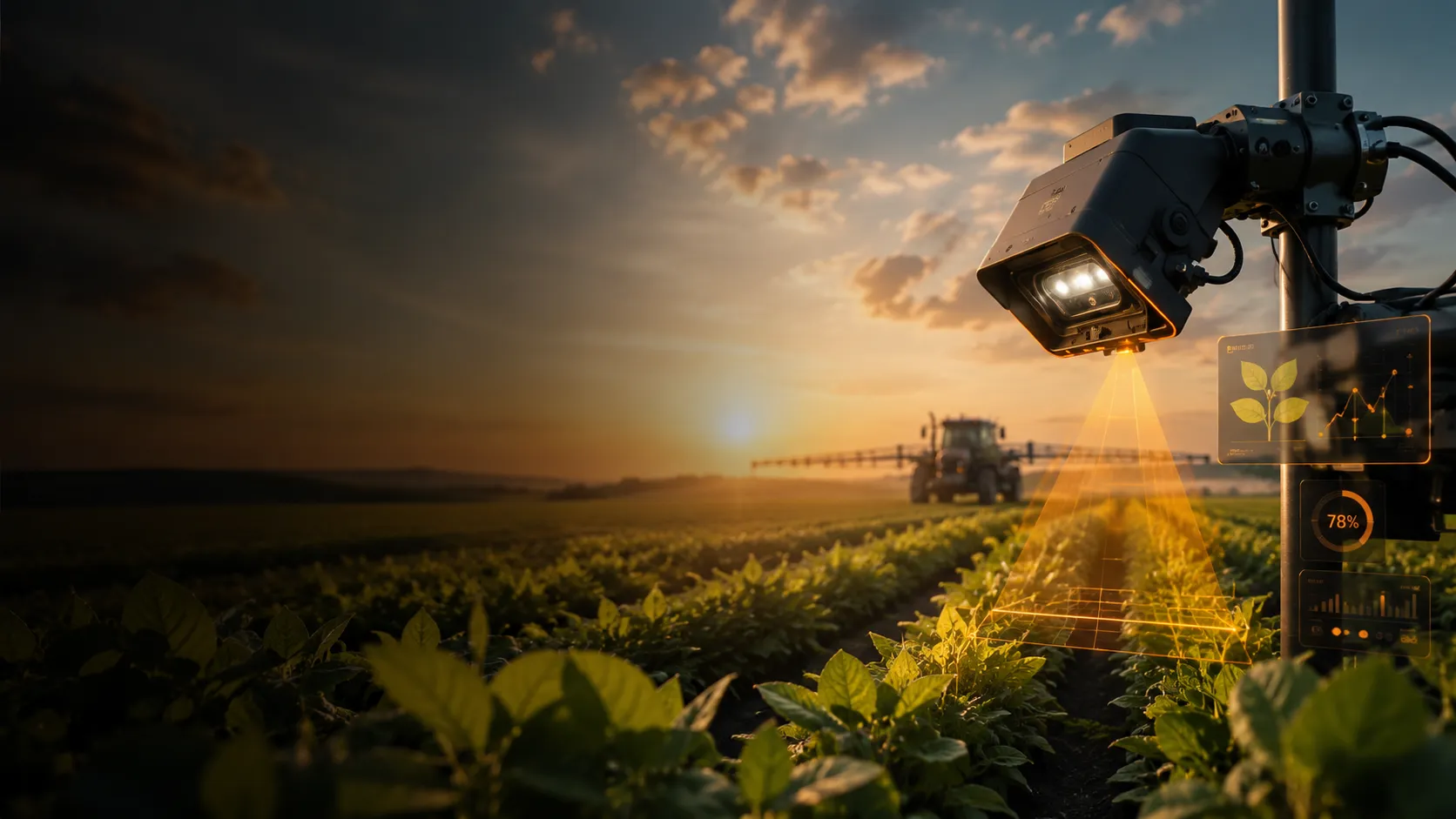
For manufacturing
Detect, measure and record what happens on your line. Custom industrial computer vision.
We build computer vision systems for industrial lines: we turn images of the operation into alerts, evidence and indicators integrated with the process you already run. Across auto parts, cold storage, textile and other plants.
No commitment. Tell us what needs detecting, measuring or tracking.
Industrial computer vision, in plain terms
Before booking a conversation, it helps to understand what this technology changes day to day on the line — and when it fits.
-
What it is
Cameras placed on the line capture images continuously; an AI model trained for your process analyzes each image in real time, spotting what a human inspector would take longer to notice — or wouldn't see in time.
-
What it replaces
Manual sampling inspection, paper checklists and reports that only arrive after the batch has left the line. Computer vision monitors production continuously, not a sample.
-
When it fits
High-volume lines, defects that are hard to pin down in words, or processes where the cost of an undetected error — rework, returns, non-conformity — outweighs the cost of monitoring continuously.
-
What it isn't
It isn't a security camera with passive recording, nor a generic off-the-shelf system. The model is trained specifically for your product's defects and patterns.
How we assess your line
No invented metrics: a clear path from first contact to a proposal with scope, timeline and cost.
-
Diagnosis conversation
About 30 minutes to map the line, what stays invisible today and the outcome that matters.
-
Analysis and images
We use images from your operation — or capture on the floor — to validate what the AI needs to see.
-
Concrete proposal
You get scope, timeline and cost for your scenario — not a generic demo.
FexData Vision System
What the line starts to see
From image to alert and KPI: visual evidence so your team can act with predictability.
-
Defect detection
Anomalies and defects identified automatically, with the event image.
-
Counting and measurement
Consistent counts and measurements for audits and line tracking.
-
Real-time alerts
Notification at the moment of the event, integrated with the alarms you already use.
-
KPIs with evidence
Indicators tied to image, timestamp and classification — not just the number.
-
Plant integration
Connect to MES, SCADA or ERP — or a custom dashboard when it fits.
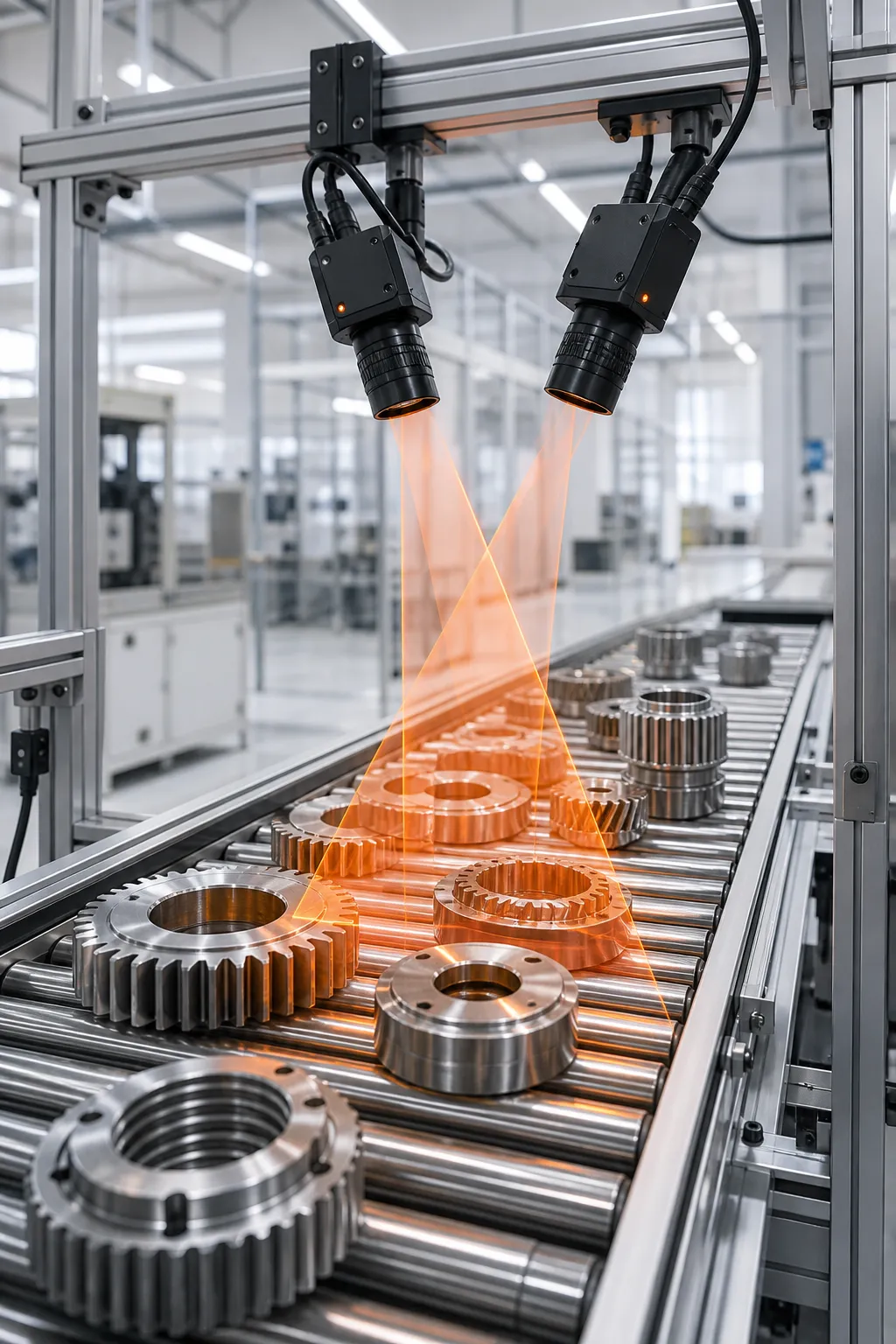
How we implement
From diagnosis to ongoing operation, with minimal disruption on the plant floor.
-
Discovery & scope
We map the process, critical points and the outcome that needs to be monitored.
-
Infrastructure planning
We define cameras, processing and integrations suited to your existing environment.
-
AI development
We train and validate the model with data representative of your operation.
-
Installation & integration
We connect the solution to MES, SCADA or ERP with minimal disruption.
-
Operation & support
We monitor performance and refine as new scenarios emerge.
Computer vision for every manufacturing sector
The same technology adapts to each line's process. Here is how it applies to yours:
-
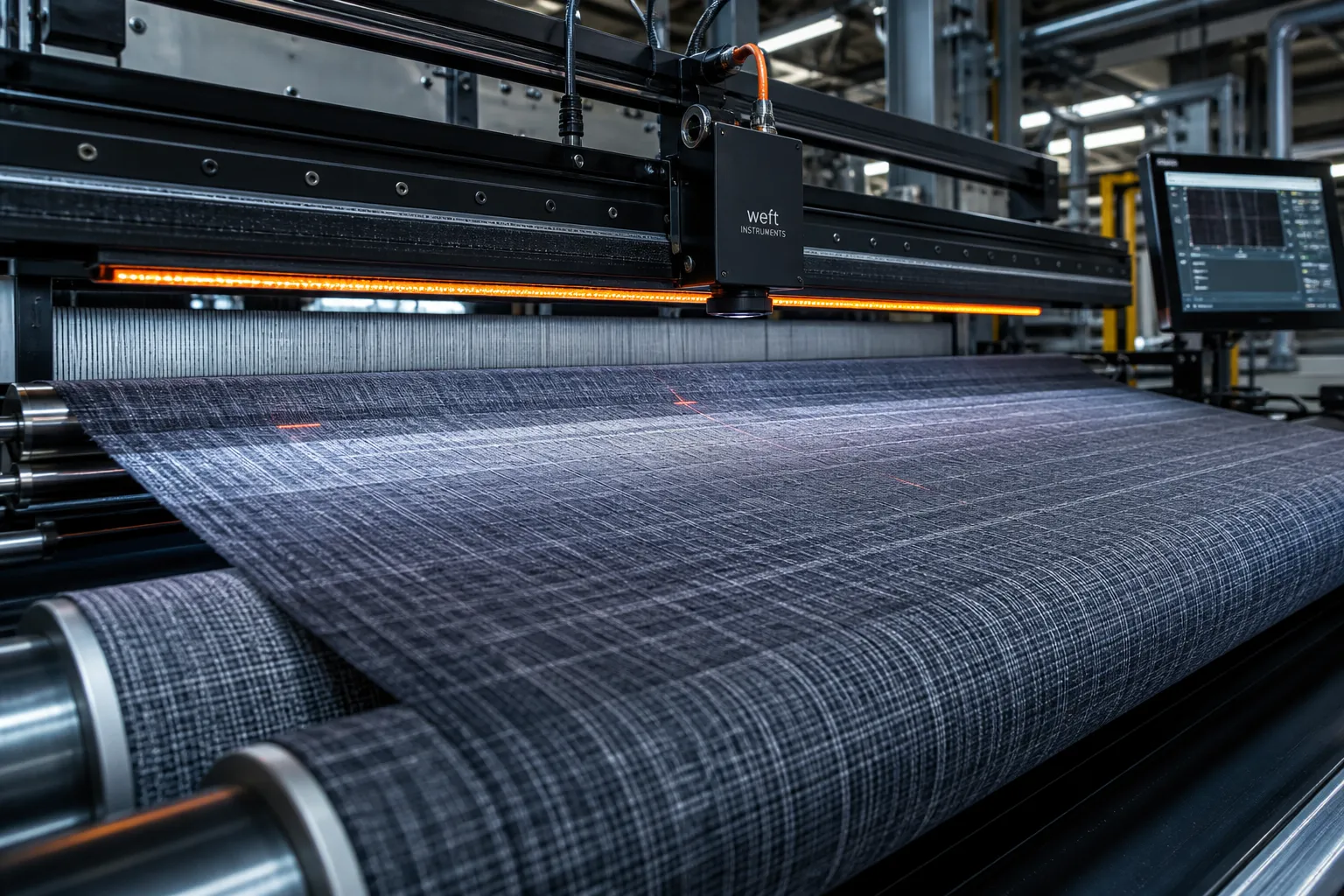
Textile
Fabric inspection, defects and material classification.
-
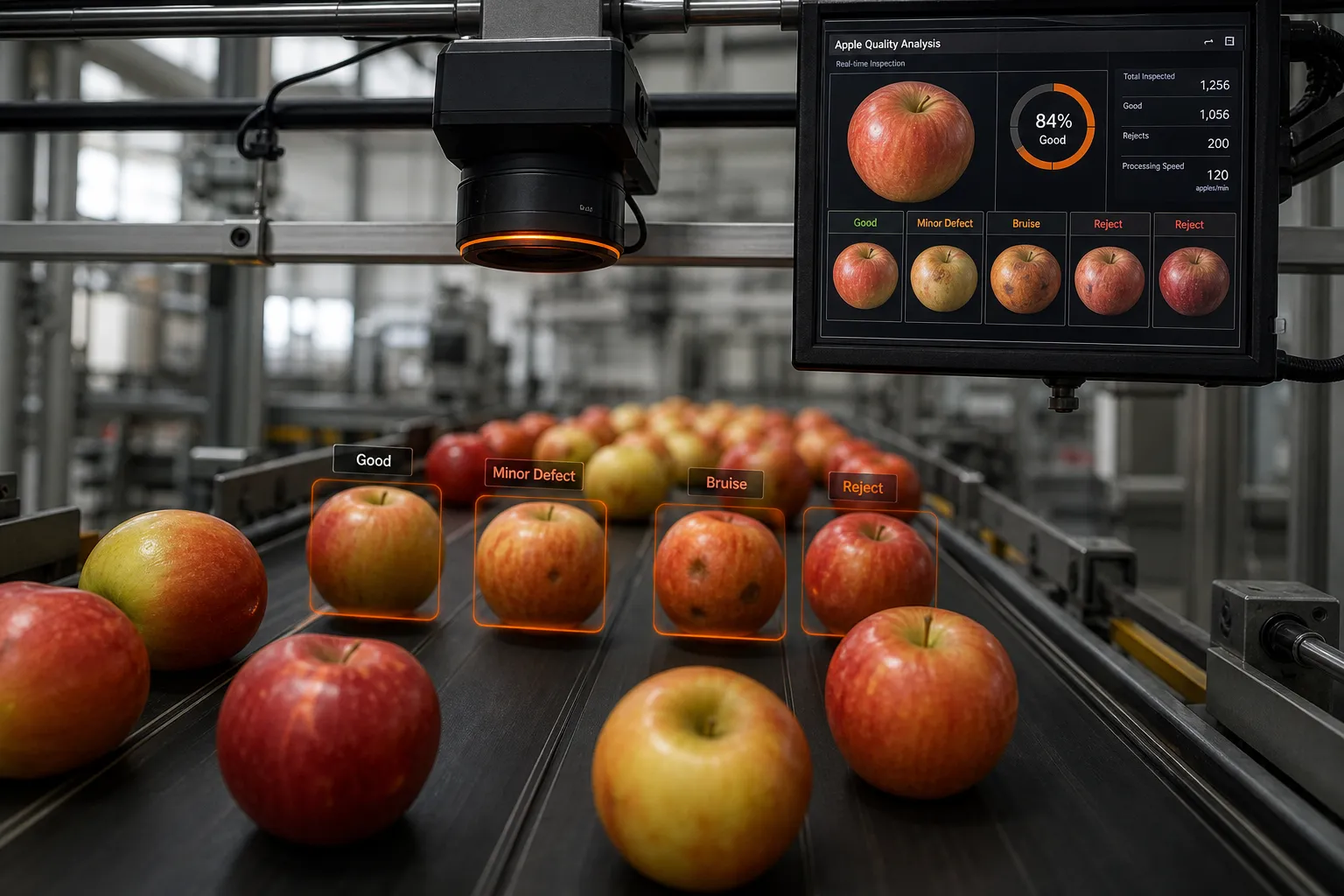
Agriculture
Quality grading and defect detection on the line.
-
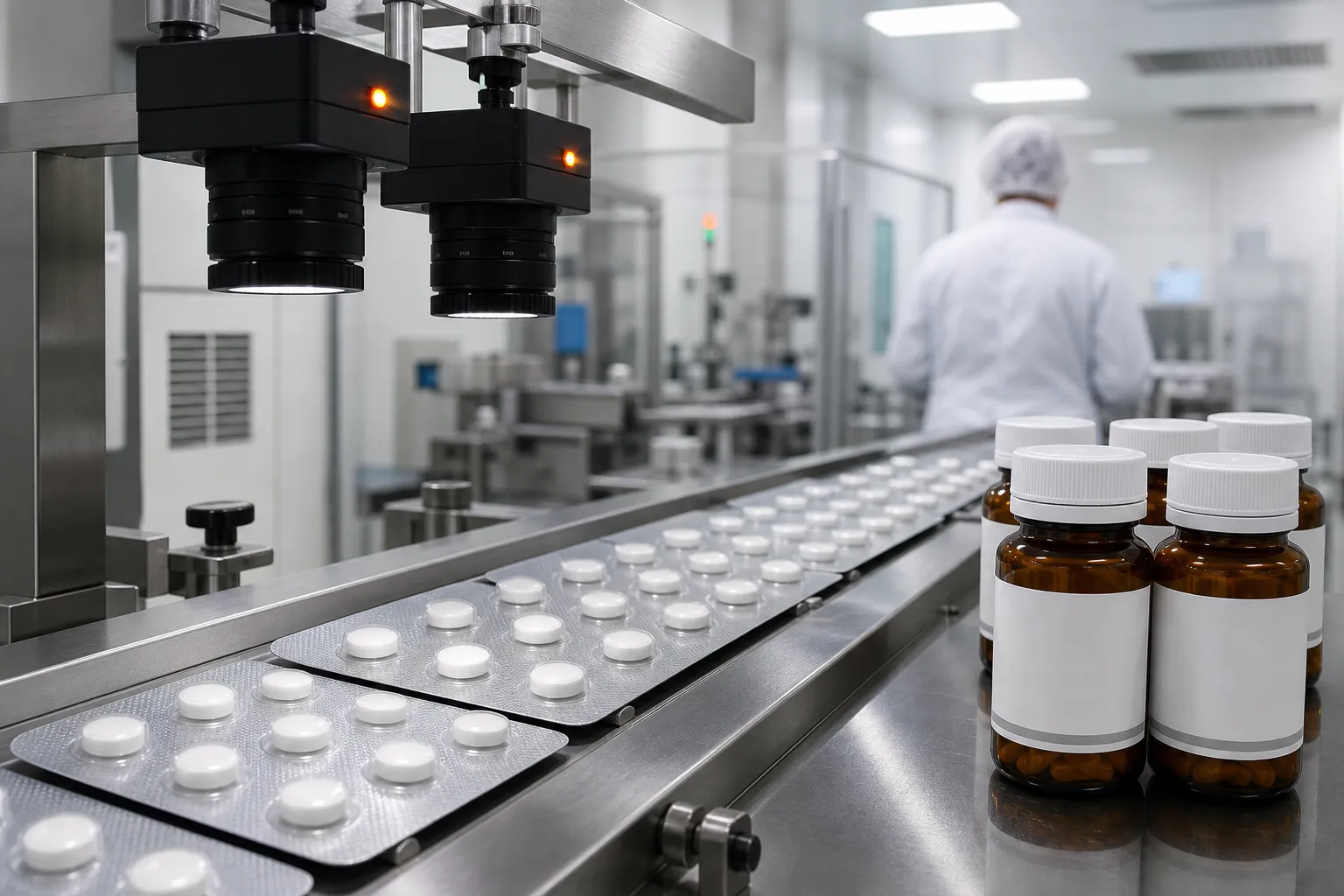
Pharma
Bottle, seal and packaging integrity inspection.
-
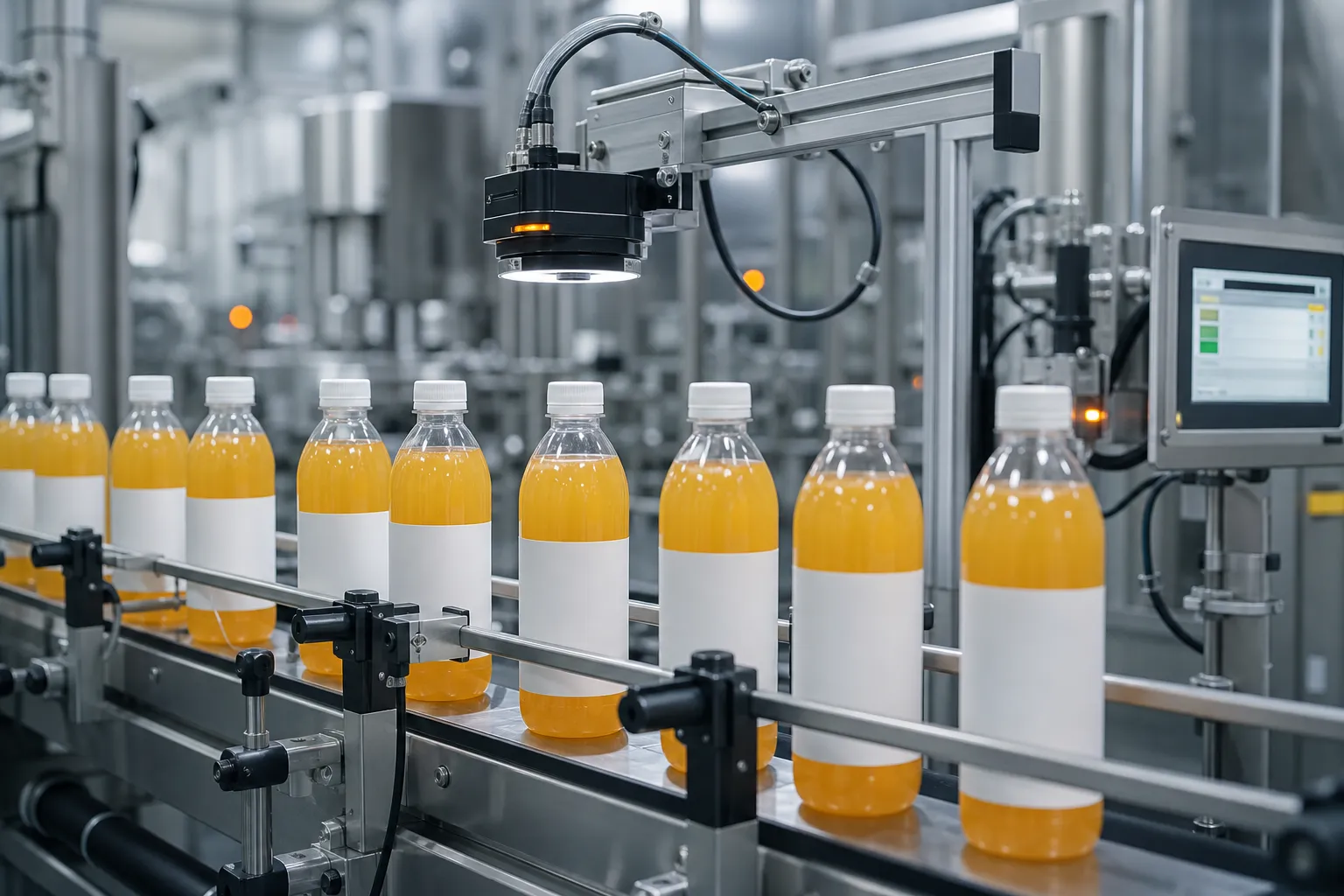
Cold storage & food
Labeling, fill, counting and compliance checks on the line.
-
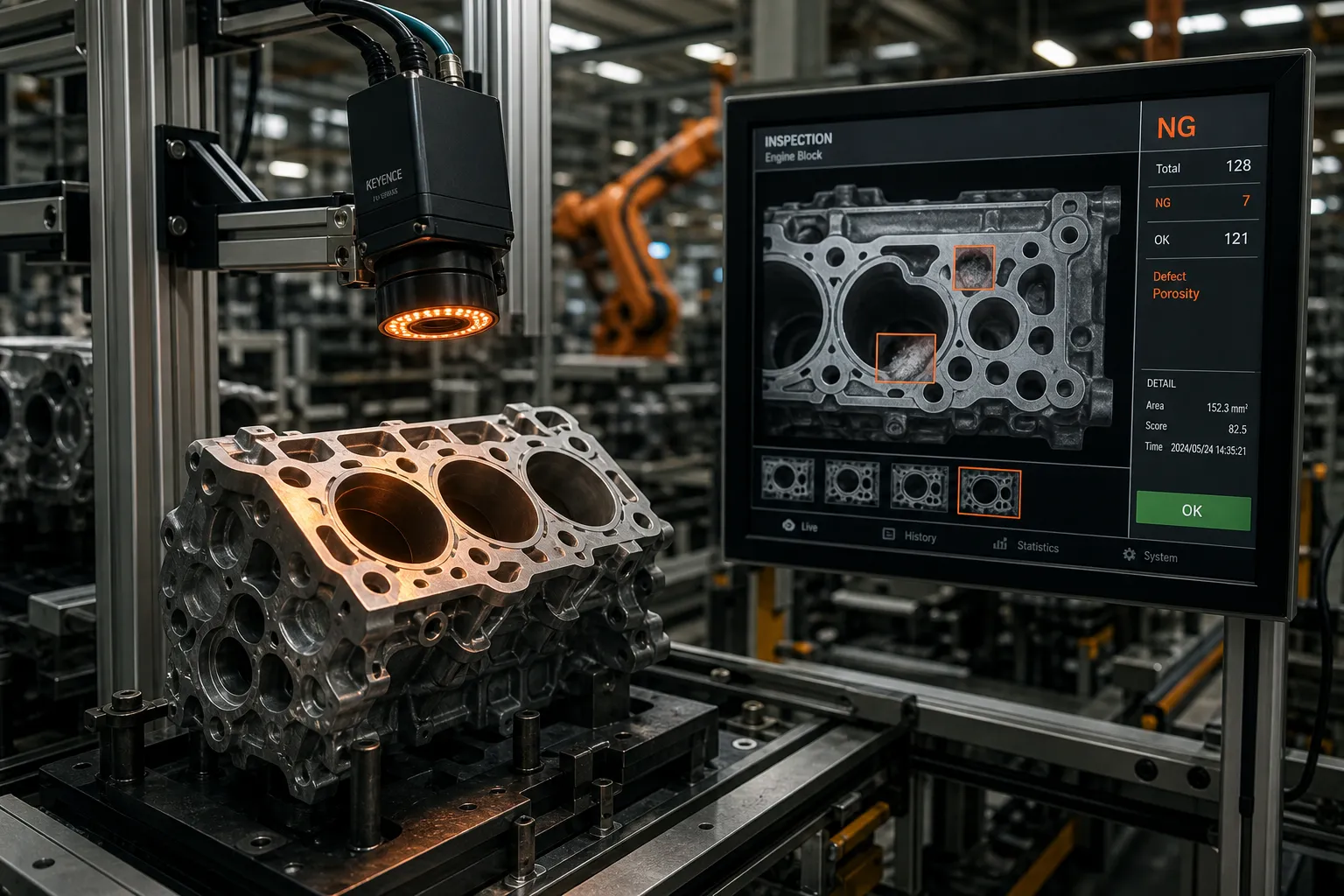
Auto parts
Assembly defect detection and component checks.
-
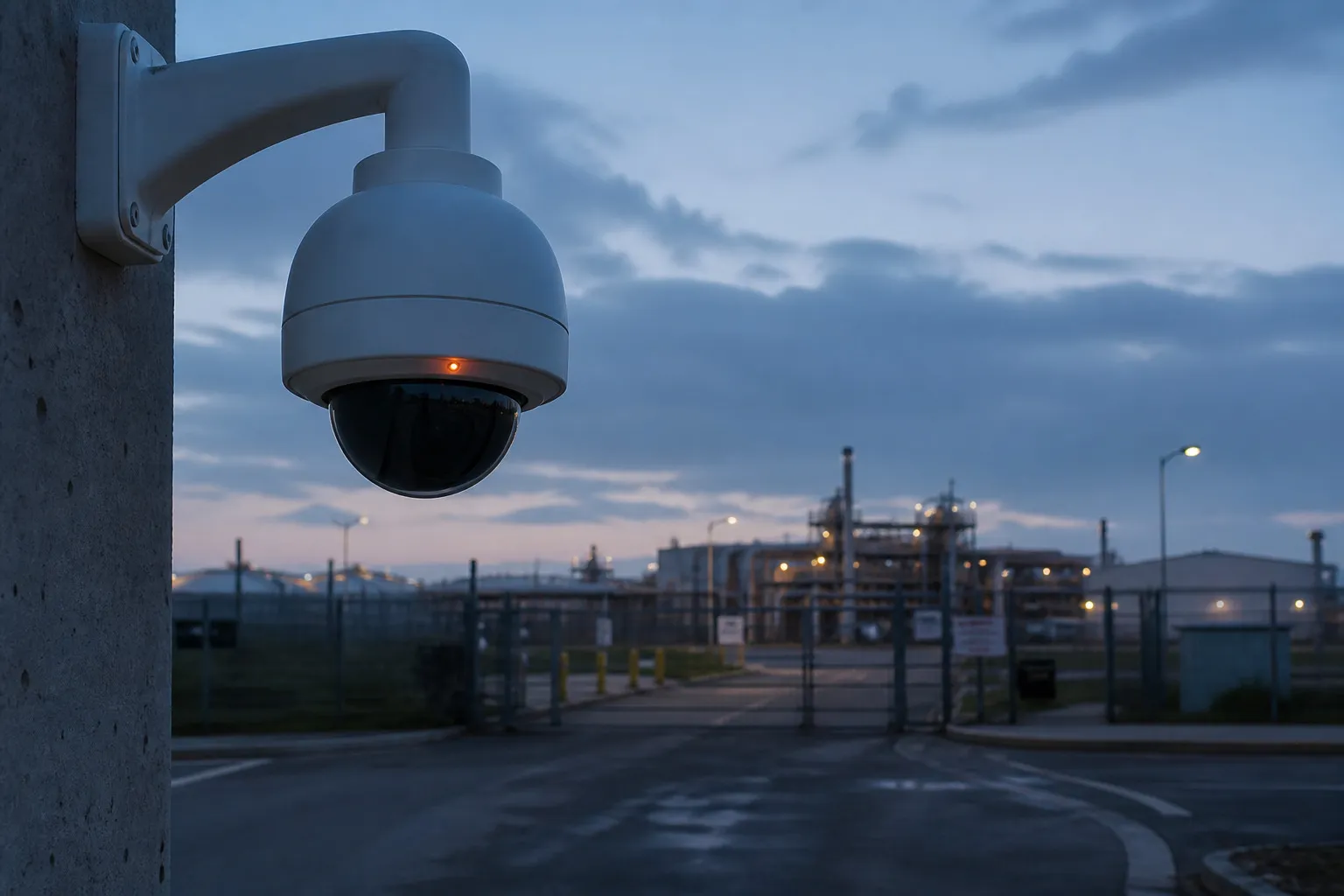
Industrial safety
Zone monitoring, PPE and events the camera must record.
Security and compliance
Production line footage is sensitive data
What your cameras capture says a great deal about how you operate. We treat that material as a critical asset.
-
Data protection compliance
Infrastructure and processes aligned with GDPR and LGPD requirements.
-
End-to-end encryption
Images and metadata encrypted in transit and at rest.
-
Full traceability
Every event logged with image, timestamp and classification.
Indicators tied to evidence
Defect rate, performance and traceability — each bound to the line event record.
-
Real-time quality
Track defects by shift, line and product with the event record.
-
Operational performance
See where the line loses pace and what the record confirms.
-
Traceability
History with timestamp and classification — auditable from alert to decision.
Typical architecture
From camera to alert: the path from visual evidence to a decision.
-
Capture
Industrial cameras at critical points on the line.
-
Processing
AI models trained for your scenario.
-
Integration
MES, ERP or SCADA via APIs and connectors.
-
Indicators
KPIs and reports with visual evidence.
-
Alerts
Notifications at the moment of failure.
Labeling and computer vision
The people who build the model understand the dataset
FexData builds computer vision systems and also prepares the data that trains them. The two sides feed each other.
-
From system to dataset
Experience building computer vision systems shapes how we structure, review and version datasets.
-
From dataset to system
Annotation work sharpens our ability to plan models, define classes and design validation criteria.
When computer vision makes sense
Not every process benefits from computer vision. These are the criteria we use to assess — including to say it isn't worth it.
It usually makes sense when
- There is an identifiable visual pattern in the product or process.
- The process is repetitive and reasonably consistent between batches.
- There is enough volume to justify the automation.
- Errors cause loss, rework or meaningful risk.
- The event needs to be recorded, audited or evidenced.
It may not be the best option when
- The problem cannot be observed visually.
- There is no minimum consistency in the process.
- Volume is too low to offset the installation.
- The cost of an undetected error is negligible.
- Inspection needs information the image cannot capture.
If your case falls in the second column, we say so in the diagnosis conversation — before any proposal.
Frequently asked questions about industrial computer vision
The questions that tend to come up before the diagnosis conversation.
Do we have to replace the cameras?
Not always. We first assess whether the installed cameras have enough resolution, positioning and lighting for what needs detecting. When they don't, we say what has to change before proposing a full replacement.
Does the system work in real time?
Yes, when the process requires it. The cadence is set during diagnosis: some scenarios need notification the moment an event occurs, others work well with per-batch or per-shift checks.
Do we need to stop production?
Installation is planned for minimal disruption, usually taking advantage of already scheduled stops. Image collection happens with the line running normally.
How many images are needed?
It depends on how many variations the model must recognize and how different the defects are from one another. That number is set in the feasibility analysis, using images from your own operation.
Does it work without internet?
Yes. Processing can run locally at the plant, syncing later. That's the usual choice when connectivity is unstable or when images cannot leave the internal network.
How does integration work?
Through APIs and connectors for MES, ERP or SCADA. When no system exists to receive the events, we deliver a dedicated dashboard with the same data.
How long does a pilot take?
It varies with the complexity of what must be detected and with image availability. The timeline is estimated in the proposal, alongside scope and cost — not before.
Can we start with a proof of concept?
Yes, and it's usually the safest route. A proof of concept validates technical feasibility on a slice of the process before any hardware investment.
How is the data protected?
Images and metadata are encrypted in transit and at rest, with controlled access and processes aligned with GDPR and LGPD. We sign an NDA when needed.
Let's assess your line for feasibility
In about 30 minutes we map what stays invisible today and tell you whether computer vision fits your scenario.
Assess my process for feasibilityOr send the form — we reply within 24 business hours.
Talk to our team
Let's understand your challenge
Prefer to book the diagnosis conversation? Use the scheduling link. Or fill in the form — our technical team replies.